CATEGORIES
TAGS
Running podcasts for beginners: start strong in 2026
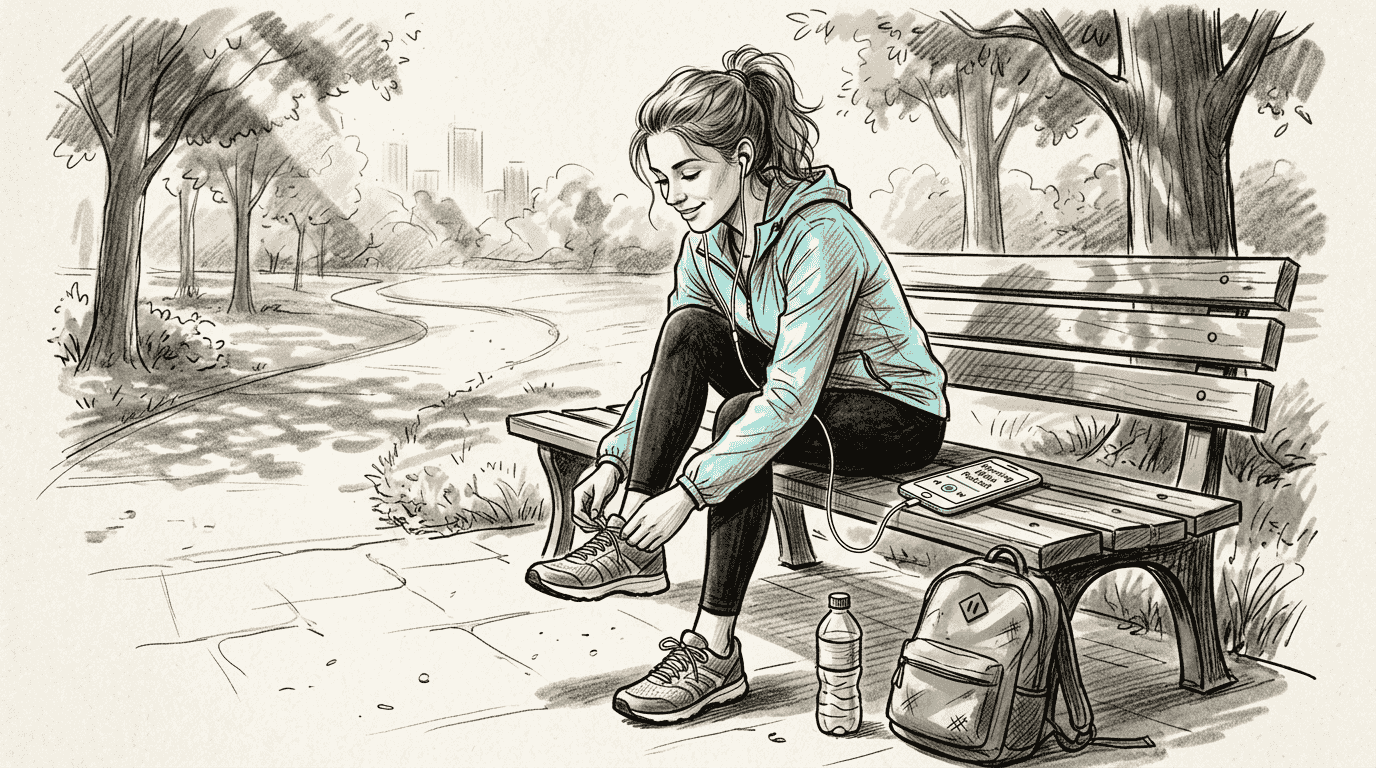
Starting your running journey can feel overwhelming. Where do you find reliable advice on training plans, injury prevention, and gear that actually works? Many beginner runners turn to social media or blogs, only to encounter conflicting information and confusing jargon. Running podcasts offer a solution by delivering expert coaching, evidence-based training strategies, and honest gear reviews directly to your ears. Hosted by experienced runners and coaches, these shows make complex topics accessible while fitting seamlessly into your daily routine. This guide reveals how podcasts can transform your running experience from day one.
Table of Contents
- Why Running Podcasts Are Ideal For Beginners
- Essential Running Knowledge You’ll Gain From Podcasts
- How Podcasts Help You Choose The Right Gear
- Tips For Staying Motivated And Avoiding Common Beginner Mistakes
- How Prodcast Can Enhance Your Running Podcast Experience
- Frequently Asked Questions
Key takeaways
| Point | Details |
|---|---|
| Expert guidance | Podcasts deliver coaching from experienced runners with decades of expertise |
| Flexible learning | Listen during commutes or walks to absorb training advice on your schedule |
| Gear insights | Discover shoe recommendations and equipment reviews to prevent injuries |
| Motivation boost | Hear community stories and expert reassurance to maintain consistency |
| Evidence-based advice | Learn science-backed strategies for fueling, recovery, and race preparation |
Why running podcasts are ideal for beginners
Running podcasts provide expert coaching and data-driven advice that beginner runners can trust. Unlike random internet forums or social media influencers, podcast hosts typically hold certifications and years of coaching experience. Amanda Brooks brings over 20 years of running knowledge to her show, while Laura Norris combines her personal marathon achievements with professional coaching credentials. These experts translate complex training science into practical steps you can implement immediately.
The best running podcasts avoid overwhelming jargon that confuses newcomers. Hosts explain concepts like cadence, tempo runs, and lactate threshold in everyday language, often using relatable analogies. When technical terms appear, they get defined clearly on first use. This approach helps you build running vocabulary naturally without feeling lost. Many shows also feature guest experts who specialize in nutrition, physical therapy, or sports psychology, giving you access to a full support team.
Listening fits perfectly into a busy lifestyle. You can absorb training wisdom during your commute, while cooking dinner, or on easy recovery walks. This flexibility makes podcast learning sustainable compared to attending in-person seminars or reading lengthy books. The audio format also feels conversational and personal, like getting advice from a knowledgeable friend. Shows like Couch to Coached specifically focus on making running accessible and fun for people just starting out.
Pro Tip: Start with episodes labeled for beginners or covering foundational topics like proper running form and choosing your first race distance. This builds your knowledge base systematically.
Podcasts create a supportive community atmosphere through listener questions and success stories. Hearing other beginners share their struggles and victories reminds you that challenges are normal. This emotional connection keeps you motivated when training gets tough. For more guidance on selecting quality podcast content, check out this master podcast listening for beginners in 2026 resource.
Essential running knowledge you’ll gain from podcasts
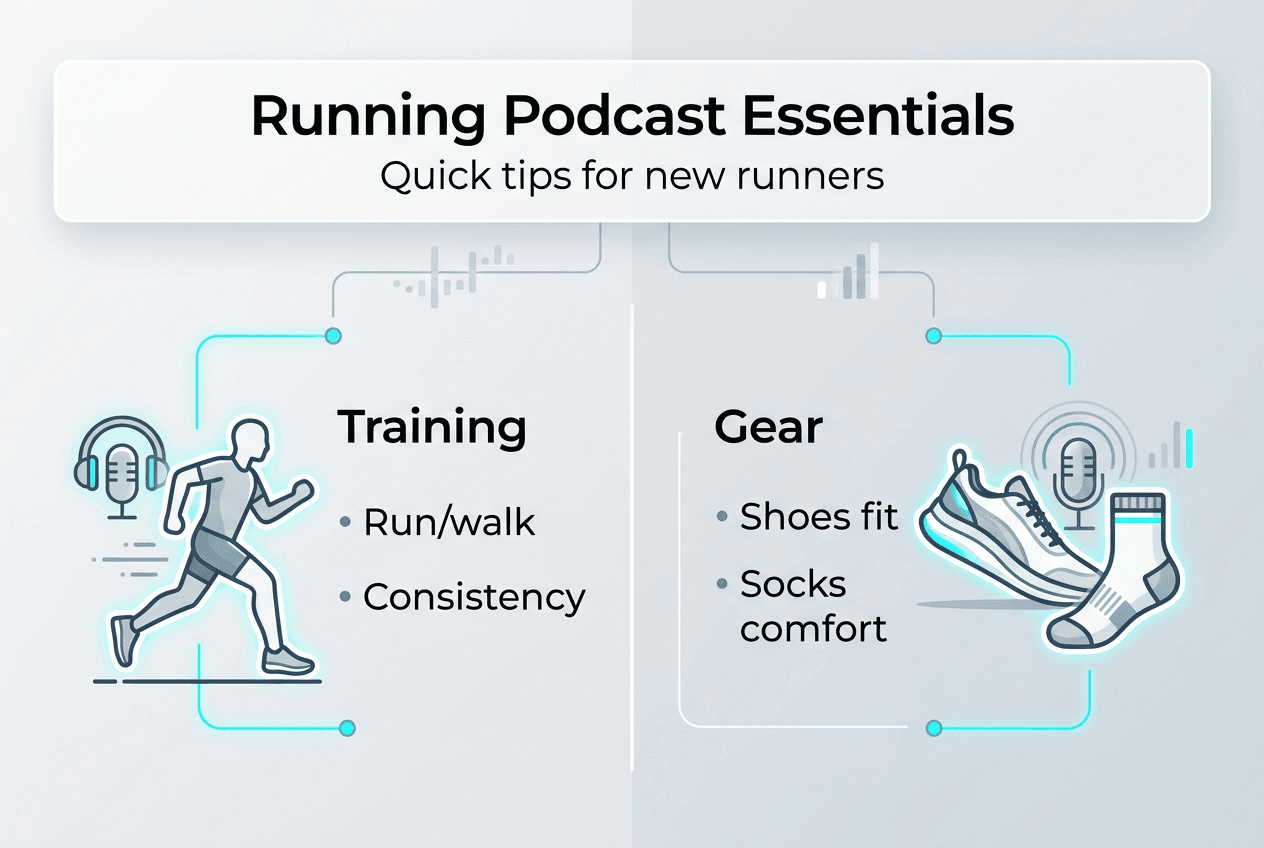
Podcasts teach you that run/walk intervals reduce injury risk while building endurance effectively. The Strength Running Podcast explains how alternating running and walking periods allows your body to adapt gradually to impact stress. This method proves especially valuable for complete beginners whose muscles, tendons, and bones need time to strengthen. Many coaches recommend starting with 30-second run intervals followed by 60-second walks, progressively adjusting the ratio as fitness improves.
Consistency matters more than intensity for long-term progress. Podcasts emphasize showing up for regular runs, even short ones, rather than pushing too hard occasionally. This sustainable approach prevents burnout and overuse injuries that sideline many enthusiastic beginners. You’ll learn to recognize the difference between productive training stress and harmful overexertion. Shows like The Strength Running Podcast cover marathon training, fueling science, and injury prevention with evidence-based frameworks.
Fueling and recovery strategies receive detailed attention across running podcasts. Experts explain when to eat before runs, what foods support muscle repair, and how hydration affects performance. You’ll discover that proper nutrition isn’t just for elite athletes but essential for everyone’s running success. Recovery techniques like foam rolling, stretching routines, and rest day activities get practical demonstrations through audio descriptions.
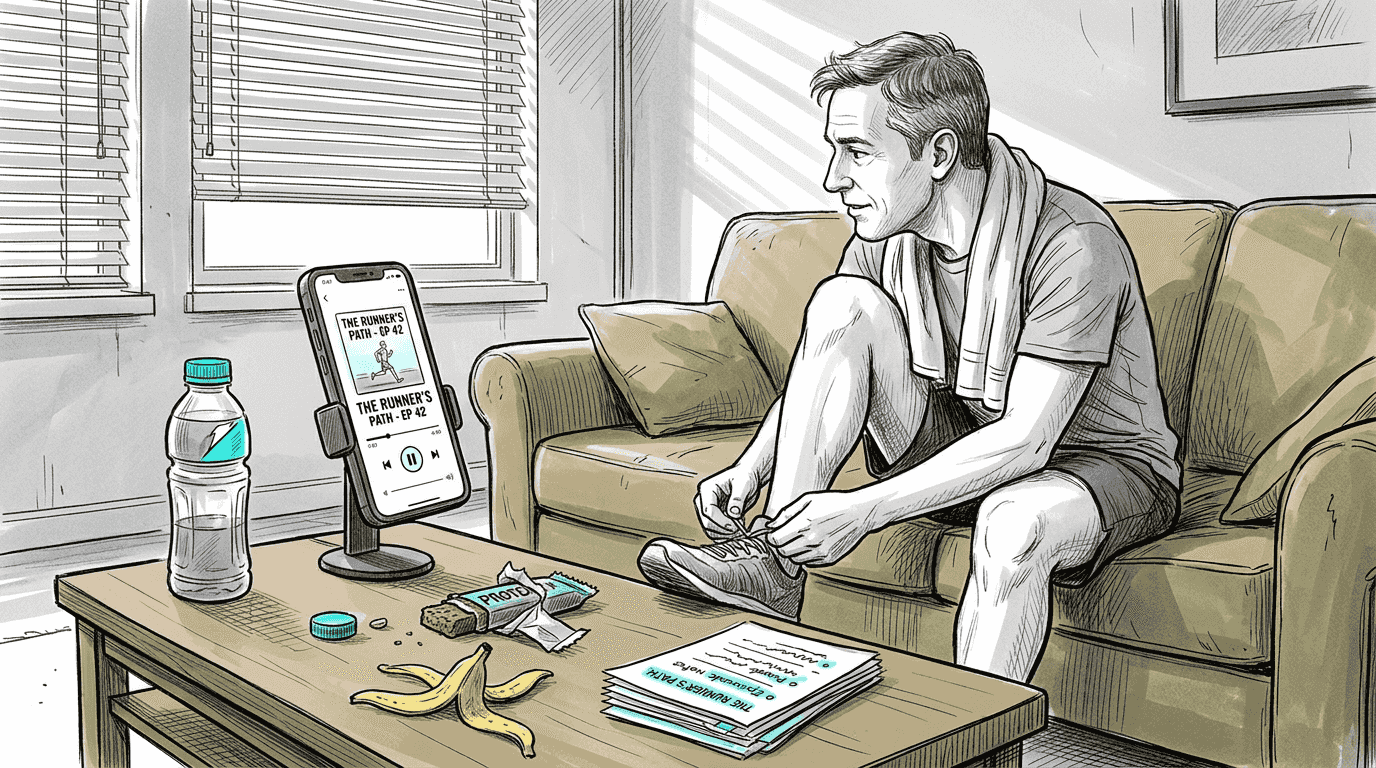
| Training Element | Podcast Insight | Beginner Application |
|---|---|---|
| Run/walk intervals | Reduces injury risk by 40% | Start with 1:2 run to walk ratio |
| Weekly mileage | Increase by max 10% weekly | Track total distance carefully |
| Rest days | Essential for muscle adaptation | Schedule 2-3 per week minimum |
| Cross training | Builds strength without impact | Add cycling or swimming weekly |
Goal setting receives thorough coverage, with realistic times for races like 5Ks to marathons. Podcasts help you understand what constitutes achievable progress based on your starting fitness level. This prevents disappointment from unrealistic expectations while encouraging steady improvement. Coaches share frameworks for setting process goals (like completing three runs weekly) alongside outcome goals (finishing a specific race).
Pro Tip: Take notes during podcast episodes about training concepts that resonate with you. Revisit these notes when planning your weekly running schedule.
Some podcasts offer subscriber-only bonus content for deeper learning. These premium episodes often include detailed training plans, extended expert interviews, and personalized Q&A sessions. While free content provides tremendous value, paid subscriptions can accelerate your learning if budget allows. Explore top health and fitness podcasts insights to discover shows worth your investment.
How podcasts help you choose the right gear
Podcasts discuss how identifying shoes that fit your foot and running style prevents injuries. Hosts explain gait analysis basics, helping you understand whether you need neutral, stability, or motion control shoes. They demystify terms like heel drop, cushioning levels, and toe box width so you can communicate effectively with shoe store staff. Many episodes feature interviews with podiatrists or shoe brand representatives who share insider knowledge about construction and materials.
The importance of comfortable shorts and socks gets highlighted frequently. Podcasts reveal how proper running socks prevent blisters through moisture-wicking fabrics and strategic cushioning zones. You’ll learn that cotton socks cause friction problems, while synthetic or merino wool blends keep feet dry. Similarly, running shorts need to move with your body without chafing, with features like built-in liners and breathable panels making significant comfort differences.
| Gear Category | Key Features | Podcast Recommendation |
|---|---|---|
| Running shoes | Proper fit, appropriate support | Visit specialty store for gait analysis |
| Socks | Moisture wicking, blister prevention | Invest in quality synthetic or merino wool |
| Shorts | Chafe-free fabric, secure fit | Look for built-in liner and breathable mesh |
| Sports bra | High support, adjustable straps | Get professionally fitted for best results |
Earbud recommendations enhance running enjoyment and focus. Podcasts compare wireless options for stability during movement, sound quality for motivation, and battery life for long runs. Hosts share personal experiences with different brands, noting which models stay secure and which fall out constantly. You’ll discover features like ambient sound modes that let you hear traffic safely while enjoying music or podcasts.
Gear advice often includes pricing and durability comparisons. Podcasts help you distinguish between essential investments and nice-to-have extras when starting out. This guidance prevents overspending on unnecessary equipment while ensuring you don’t skimp on critical items like shoes. Hosts frequently mention budget-friendly alternatives to premium brands that deliver solid performance for beginners.
Pro Tip: Listen to gear review episodes before major purchases. Take note of specific model names and features mentioned, then try them at your local running store.
Listeners get insider tips on seasonal gear and new product releases. Podcast hosts often receive early access to upcoming shoe models or apparel lines, sharing first impressions before official launches. This information helps you time purchases strategically, potentially catching sales or avoiding products with known issues. For additional guidance on making informed choices, explore this choosing podcasts guide for listeners resource.
Tips for staying motivated and avoiding common beginner mistakes
Consistency over intensity supports long-term progress in running. Starting small and focusing on regular running builds sustainable habits that last years, not just weeks. Podcasts emphasize that missing one run doesn’t derail your journey, but abandoning consistency does. Coaches recommend scheduling runs like important appointments, treating them as non-negotiable commitments to yourself. This mindset shift transforms running from optional activity to integral lifestyle component.
- Set achievable initial goals like running three times weekly for 20 minutes
- Gradually increase duration before worrying about speed or distance
- Track your runs in a simple log or app to visualize progress
- Celebrate completing runs regardless of pace or how you felt
- Adjust your schedule when life gets busy rather than quitting entirely
Celebrating small wins maintains motivation and joy throughout your running journey. Podcasts encourage recognizing achievements like finishing your first continuous mile, running in the rain despite not wanting to, or simply lacing up shoes on a tough day. These micro-celebrations build positive associations with running, making you more likely to continue. Coaches share stories of their own small victories, normalizing the ups and downs every runner experiences.
Listening to podcasts provides encouragement, expert reassurance, and community stories that combat isolation. When you hear experienced runners admit they still have bad runs or struggle with motivation, it validates your own challenges. Episode guests often share transformative running stories that inspire you to push through temporary difficulties. This virtual community becomes a support system accessible anytime you need it.
“Find joy in running and don’t let bad runs discourage you. Avoiding burnout is critical for long-term success. Every runner has off days, and they don’t define your ability or potential.”
Avoiding comparison with other runners protects your mental health and enjoyment. Podcasts remind you that everyone’s running journey unfolds differently based on genetics, life circumstances, and training history. Your only meaningful comparison is against your past self. Coaches discourage scrolling through social media highlight reels that showcase others’ best performances while hiding their struggles. Focus on your personal progress markers instead.
Pro Tip: Create a running playlist that includes both music and motivational podcast clips. This combination keeps your mind engaged during longer runs while reinforcing positive messages.
Develop podcast healthy habits that support your running education. Queue up episodes strategically so you always have fresh content ready. Save particularly inspiring or informative episodes for relisten during motivation slumps. Share favorite episodes with running friends to build accountability and spark discussions about training approaches.
How Prodcast can enhance your running podcast experience
Running podcasts deliver incredible value, but finding specific advice within hours of content can feel overwhelming. Prodcast solves this by helping you discover, save, and share key moments from your favorite running shows. Instead of scrubbing through entire episodes to relocate that perfect shoe recommendation or injury prevention tip, you access curated highlights instantly.

The platform analyzes podcast transcripts to identify product mentions, expert insights, and actionable advice. When a coach discusses their favorite hydration pack or explains proper running form, Prodcast captures these moments for easy reference. You build a personalized library of running wisdom tailored to your specific interests and needs. This organized approach accelerates your learning compared to passive listening alone.
Discover clips on training, gear, and motivation that fit your busy schedule. Browse podcast moments for runners to find exactly what you need without committing to full episodes. Explore how products like Game Changers or even Monster Energy Drink get discussed across different shows, revealing trends and honest user experiences. This data-driven approach to podcast content helps you make informed decisions about your running journey.
Frequently asked questions
What podcast episode is best for beginners starting their running journey?
Tread Lightly Running Podcast Episode 22 offers excellent beginner shoe advice and foundational training tips. The episode breaks down how to select your first pair of running shoes based on foot type and gait. It also covers basic training principles without overwhelming new runners with complex terminology.
How do I know if a running podcast is right for my level?
Look for shows that avoid excessive jargon and explicitly mention beginner-friendly content in episode descriptions. Podcasts covering fundamentals like proper running form, injury prevention basics, and gradual training plan progressions suit newcomers best. Listen to one or two episodes to assess whether the host’s teaching style resonates with your learning preferences.
Can podcasts replace in-person coaching for beginner runners?
Podcasts provide accessible, high-quality advice but lack the personalized feedback that in-person coaching offers. They work excellently as a supplement to coaching or as an alternative when professional guidance isn’t financially or geographically available. Many runners successfully combine podcast education with occasional coaching check-ins for optimal results.
What gear should I prioritize first based on podcast advice?
Start with well-fitting running shoes selected through gait analysis at a specialty store to prevent injuries. Quality running socks rank second for blister prevention and comfort during training. Next, invest in breathable, chafe-free shorts or tights that encourage you to run consistently regardless of weather conditions.
Recommended
- Master podcast listening for beginners in 2026 | Prodcast
- Master podcast listening for beginners in 2026 | Prodcast
- Best podcast for nutrition and fitness 2026: expert picks | Prodcast
- Best podcast for nutrition and fitness 2026: expert picks | Prodcast
- Peaks of the Balkans Podcast – Trail Stories & Tips