CATEGORIES
TAGS
Product Endorsements on Podcasts: 2026 Strategy Guide
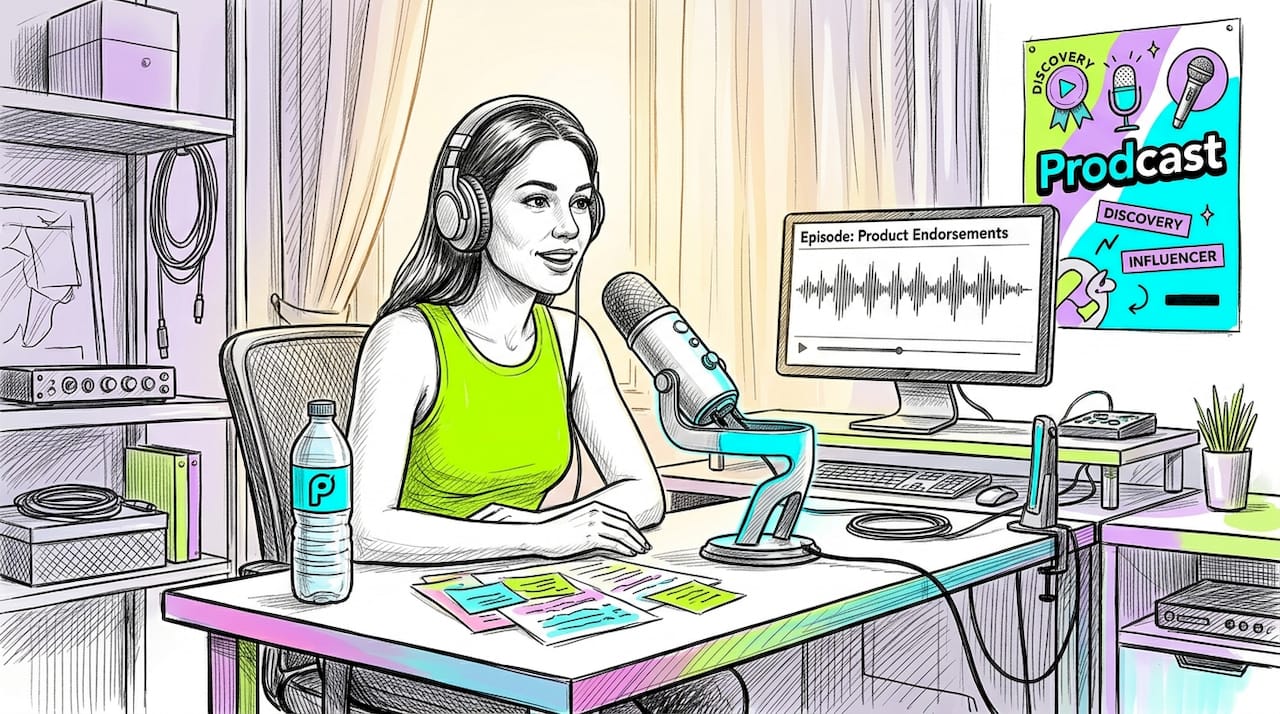
TL;DR:
- Podcast ads outperform traditional digital advertising in recall and conversion, driven by host credibility and trust. FTC regulations now demand explicit, repeated disclosures, emphasizing transparency and ongoing compliance. The most effective sponsorships integrate authentic host endorsements with hybrid, multi-touchpoint models to maximize reach and impact.
Most people assume podcast ads are just annoying interruptions. The data says otherwise. Product endorsements on podcasts consistently outperform traditional digital advertising in both recall and conversion, and brands are spending accordingly. Podcast advertising hit $2.43B in 2026, and the biggest winners are the ones who understand how endorsements actually work — not just who’s buying slots. Whether you’re a marketer trying to place smarter buys or a listener curious about why certain sponsorships stick, this guide breaks down everything that matters right now.
Table of Contents
- Key takeaways
- How product endorsements on podcasts actually work
- FTC disclosure rules for podcast ads in 2026
- Top podcast sponsors in 2026 and emerging trends
- Measuring the ROI of podcast endorsements
- Practical tips for authentic, effective sponsorships
- My take on what actually moves the needle
- Discover smarter sponsorship insights with Prodcastapp
- FAQ
Key takeaways
| Point | Details |
|---|---|
| Host-read ads outperform scripted ads | Host-read endorsements drive 37% better conversion and 71% higher brand recall than announcer-read alternatives. |
| FTC compliance is non-negotiable in 2026 | Clear, repeated verbal disclosures using words like “Ad” or “Sponsored by” are legally required for every episode. |
| Top sponsors run hundreds of ads at once | Brands like Shopify and Amazon Music are running 600-plus simultaneous podcast ads across shows. |
| Hybrid models multiply reach | Combining baked-in host reads with dynamic ad insertion lets brands scale authenticity without sacrificing flexibility. |
| ROI is often underestimated | Podcast brand lift studies show measurable gains in awareness, purchase intent, and audience recommendations. |
How product endorsements on podcasts actually work
Here’s the thing most people get wrong. They assume a podcast ad is a podcast ad. It’s not. There’s a massive difference between a host reading your brand’s message in their own voice and a pre-produced spot that sounds like it belongs on the radio.
Host-read ads convert 37% better and drive 71% higher brand recall than announcer-read ads. That’s not a small margin. And when you dig into the listener psychology behind it, the numbers make complete sense.
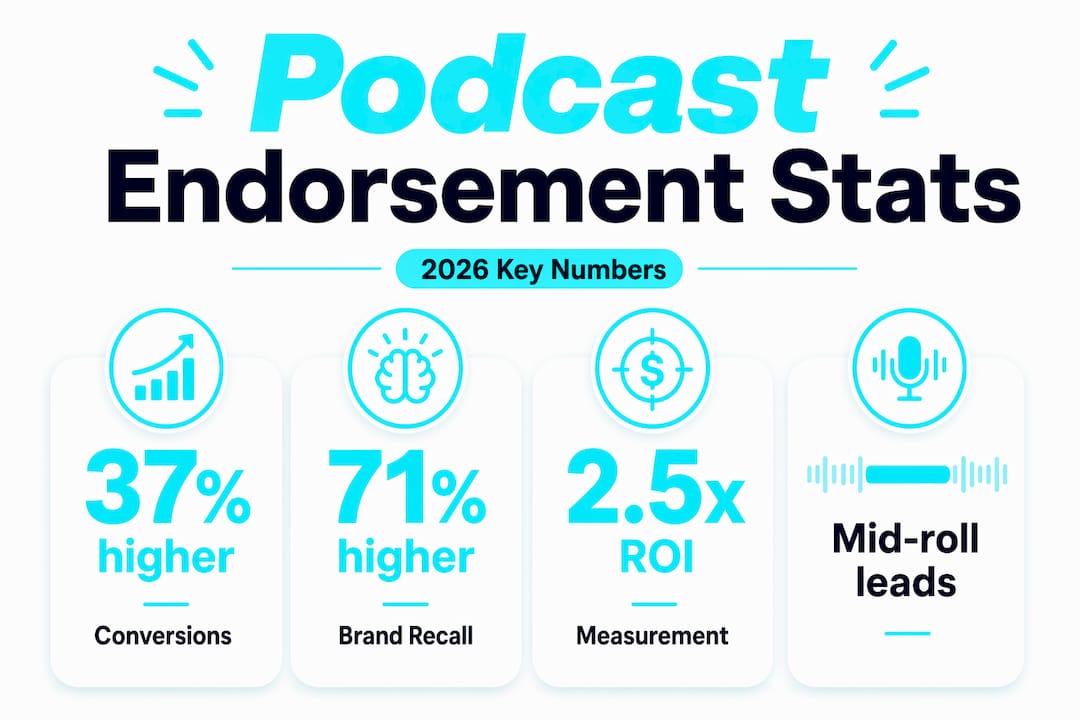
Podcast hosts build something that traditional media celebrities rarely manage: genuine trust at scale. 63% of listeners trust hosts more than traditional media figures, and 53% report feeling emotionally connected to the shows they follow. That parasocial bond turns a sponsored segment into something closer to a recommendation from a friend.
The numbers on listener response are striking:
- 86% of listeners recall specific ads heard on podcasts
- 88% take some form of action after hearing an endorsement
- 41% go on to make a purchase directly linked to the ad
What drives those numbers is alignment. A host who genuinely uses the product, talking to an audience that cares about it, in their own words. Personality and fit matter far more than raw download counts. A niche show with 15,000 deeply engaged listeners can outperform a generalist show with 200,000 casual ones.
Pro Tip: When evaluating podcast product placements, look at engagement signals like reviews, social mentions, and community interaction rather than download numbers alone. These tell you whether the audience is actually listening.
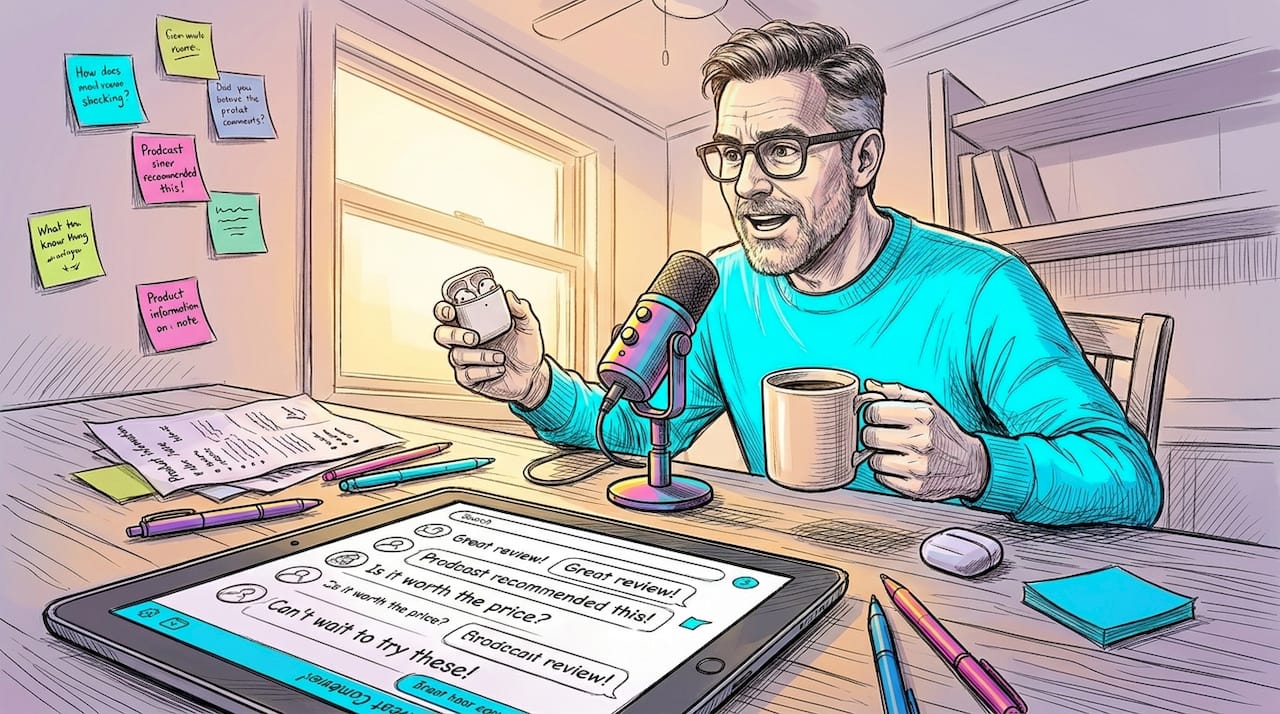
The effectiveness of podcast endorsements comes down to one thing: the host’s credibility with their specific audience. Protect that, and the ad works. Break it, and you lose both the campaign and the listener.
FTC disclosure rules for podcast ads in 2026
The legal side of podcast sponsorships got sharper in 2026. Vague gestures toward disclosure are no longer enough. The FTC now requires explicit, conspicuous, and repeated disclosure of any paid relationship.
What that means in practice:
- You must use clear language like “Ad,” “Paid partnership,” or “Sponsored by [Brand]” verbally in the episode
- Vague tags like #partner, #collab, or #thanks are explicitly insufficient
- For video podcasts, on-screen text banners must appear at the point of endorsement
- One disclosure at the top of an episode is not enough for longer content
That last point catches a lot of creators off guard. Verbal disclosures should repeat every 30 to 60 minutes for live or long-form episodes. A two-hour show with a single “this episode is sponsored by” at the start does not meet the standard.
The FTC has made clear and conspicuous disclosure its enforcement priority. Both creators and advertisers carry liability here. That means brands can’t simply hand off responsibility to the host and walk away.
Common mistakes to watch out for:
- Treating sponsorship disclosure as a one-time formality rather than an ongoing obligation
- Assuming audio-only disclosure is sufficient for video podcast formats
- Using ambiguous language that listeners could reasonably interpret as organic content
- Skipping disclosures for affiliate links mentioned during non-ad segments
Pro Tip: Build disclosure language into your standard ad script template and your talking points brief for hosts. Don’t leave it up to the host to improvise compliance language. Give them the exact phrases that satisfy FTC requirements, then let them work those phrases into their natural delivery.
The goal is transparency, not box-checking. Listeners who feel deceived don’t just stop buying the product. They stop trusting the host. Disclosure done right actually reinforces credibility rather than undermining it.
Top podcast sponsors in 2026 and emerging trends
The brands investing most heavily in podcast product placements right now are a telling mix of e-commerce, entertainment, and consumer services. Current top sponsors include Shopify (614 active ads), Amazon Music (615 active ads), Mint Mobile (365 active ads), and Progressive. These aren’t experimental media buys. They’re sustained, data-informed campaigns running across hundreds of shows simultaneously.
The pricing structure for sponsored segments on podcasts in 2026 typically falls into these tiers:
| Package tier | Typical inclusions | Price range |
|---|---|---|
| Bronze | Pre-roll or post-roll audio ad only | $1,000/month |
| Silver | Mid-roll host-read + episode mention | $3,000–$8,000/month |
| Gold | Multi-episode mid-roll + newsletter mention | $10,000–$30,000/month |
| Platinum | Full media package with social, live events, video | Custom pricing |
Mid-roll placements remain the gold standard. They sit in the heart of the episode when listener attention is highest, and when delivered as host-read endorsements, they feel like part of the conversation rather than an intrusion.
The most significant structural shift in 2026 is the rise of hybrid advertising models. Baked-in host-read video ads on YouTube and Spotify are now being paired with dynamically inserted audio ads for scalability. The host-read version builds authenticity and emotional connection. The dynamically inserted version extends reach and lets brands update messaging without re-recording content.
Video podcasting has also opened up visual product placement opportunities that audio never had. Hosts can demo products on camera, wear branded merchandise, or display products on their desk, all while the verbal endorsement plays out. Automotive brands, tech companies, and lifestyle products are moving fast on these formats.
Multi-touchpoint sponsorship packages combining mid-roll ads, newsletter mentions, social posts, and live event appearances can triple the value of a podcast-only buy. The brands getting the best results aren’t treating podcasts as a single channel. They’re treating the host as an integrated media partner.
Measuring the ROI of podcast endorsements
Tracking the impact of sponsored segments on podcasts has historically been messy. But the tools have caught up considerably.
Here’s a practical measurement framework for 2026 campaigns:
- Pixel-based attribution: Tools like Podscribe can track listener actions even when no promo code is used, capturing website visits, conversions, and cost per acquisition from podcast listeners.
- Promo codes and vanity URLs: Still the most widely used tracking method. Unique codes per episode let you attribute purchases directly and calculate episode-level ROI.
- Post-purchase surveys: Ask customers “How did you hear about us?” A surprising percentage will name the specific podcast and host, which attribution platforms often miss.
- Brand lift studies: Nielsen’s 2026 research shows podcast campaigns lift brand awareness by 11 points, purchase intent by 7 points, and likelihood to recommend by 6 points.
- Longitudinal sales analysis: Compare sales velocity in markets with podcast presence against those without. Useful for larger campaigns where pixel attribution isn’t viable.
The biggest mistake marketers make here is evaluating podcast ROI on the same short-term cycle they use for paid social. Podcasts deliver long-term brand growth that mirrors the pattern of TV advertising. Measuring a six-week campaign’s lift the week after it ends tells you very little.
Pro Tip: Build a 90-day measurement window into your campaign plan before launch. Set baseline metrics before the campaign runs, then track movement in brand search volume, direct traffic, and customer survey results over three months. This gives you a realistic picture of podcast campaign success.
Marketers consistently undervalue podcast ROI by anchoring to last-click attribution. Changing that measurement mindset is what separates the brands getting outsized returns from those who run one campaign and walk away disappointed.
Practical tips for authentic, effective sponsorships
Getting podcast endorsements right requires more than signing a contract and writing a check. The brands and creators who see the best results consistently do a few specific things differently.
Start with audience fit. Not category fit. Actual audience fit. A productivity app sponsoring a true crime show might seem like an audience reach play, but if listeners are tuned in for storytelling rather than self-improvement content, the message lands flat. The best influencer marketing via podcasts happens when the product is something the audience was already thinking about before the ad started.
Give hosts real creative freedom. Personalized host endorsements drive stronger listener engagement than rigid scripts. Provide brand talking points, key features, and any required disclosure language. Then let the host find their own angle. The most memorable ads come from hosts who share a personal story about the product or a genuine opinion about why they use it. You can hear the difference, and so can listeners.
Structure packages for multiple touchpoints. A single mid-roll ad is a starting point, not a strategy. Integrated media partnerships that include newsletter mentions, social posts, and episode-level endorsements build brand familiarity across multiple contexts. This drives much stronger recall than audio alone.
Balance baked-in and programmatic placements. Baked-in host reads deliver authenticity and permanence. Dynamically inserted ads offer targeting flexibility and the ability to update creative. Using both in the same campaign captures advantages from each format without being locked into either.
And always keep disclosures front and center. Not because the FTC requires it, though they do, but because listeners who feel respected become loyal buyers. Transparency is a feature of good advertising, not a legal footnote.
My take on what actually moves the needle
I’ve watched a lot of podcast campaigns come and go, and the pattern is always the same. The ones that underperform are treating podcasts like radio. The ones that win are treating the host like a collaborator.
What surprises me most is how often marketers still script host-reads word for word. That’s the single fastest way to kill what makes podcast advertising valuable. A host who sounds like they’re reading from a teleprompter loses credibility with their audience immediately, and that credibility is exactly what you paid for.
The disclosure piece is also underrated as a trust signal. I’ve seen campaigns where the host’s enthusiastic, honest disclosure actually increased listener engagement with the ad. “Yes, this is a sponsor, and here’s why I actually like this product” is far more persuasive than a buried mumble at the top of the episode.
The hybrid model combining video host-reads with dynamic audio insertion is the move I’d recommend to any serious advertiser in 2026. You get the relationship value of the host and the scalability of programmatic. Neither format alone gives you both.
The future belongs to brands that think of podcast hosts the way they think of long-term brand ambassadors, not rotating ad slots. The numbers back that up. The creative results back that up even more.
— Jason
Discover smarter sponsorship insights with Prodcastapp
If you’re spending time and money on podcast sponsorships but still guessing which shows, hosts, and product categories are actually resonating with audiences, that’s a solvable problem.

Prodcastapp analyzes thousands of podcast transcripts in real time, surfacing which brands, products, and endorsements are trending across shows and categories. You can see which products hosts are mentioning most, how audiences are responding, and where the biggest sponsorship white space exists in your niche. For listeners, it’s the fastest way to find and buy products that real creators actually recommend.
Explore podcast endorsement clips on Prodcastapp to see exactly how top brands are showing up in the conversations your audience is already having. You can also browse a real-world example like the featured automotive endorsements to see how brand mentions translate into structured, searchable data.
Stop guessing. Start knowing.
FAQ
What makes host-read podcast ads more effective?
Host-read ads convert 37% better than pre-produced spots because listeners trust hosts and feel emotionally connected to them, making endorsements feel like personal recommendations rather than advertising.
How often do podcasters need to disclose sponsorships?
The FTC requires disclosure at each point of endorsement, and for long-form or live content, verbal disclosures should repeat every 30 to 60 minutes throughout the episode.
Which brands are spending the most on podcast sponsorships right now?
Top current sponsors include Amazon Music, Shopify, Mint Mobile, and Progressive, each running hundreds of simultaneous ads across podcasts in multiple categories.
How do marketers track the ROI of podcast product placements?
Marketers use a combination of pixel-based attribution tools, unique promo codes, post-purchase surveys, and brand lift studies. Nielsen research shows podcasts can lift purchase intent by 7 points on their own.
What is a hybrid podcast advertising model?
A hybrid model pairs baked-in host-read ads, typically on YouTube or Spotify video formats, with dynamically inserted audio ads that can be updated and targeted. This approach maximizes both authenticity and reach simultaneously.