CATEGORIES
TAGS
Mental health insights from podcasts: a listener’s guide
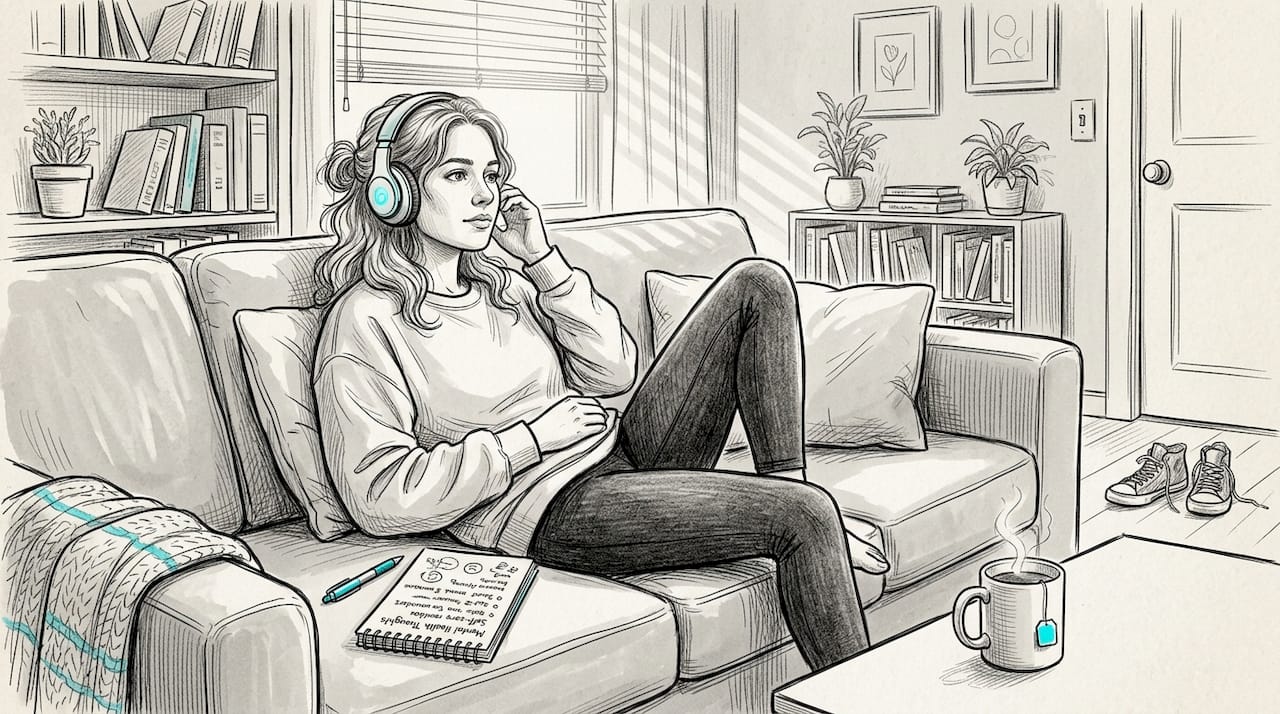
Finding credible mental health support can feel like searching for a needle in a haystack. Therapy waitlists stretch for months, self-help books pile up unread, and scrolling through wellness apps rarely delivers the real talk you actually need. Here’s the thing: podcasts have quietly become one of the most powerful tools for mental wellness, and most people haven’t fully tapped into that yet. Mental health podcasts excel at delivering accessible, expert-driven advice that fits into a commute, a lunch break, or a late-night wind-down. This guide breaks down why they work, which formats and creators are worth your time, and how to actually use what you hear.
Table of Contents
- Why mental health podcasts matter
- Popular formats and influential creators
- How podcasts support mental wellness
- How to make the most of mental health podcasts
- Our take: Where podcasts fit (and don’t fit) in mental wellness
- Discover mental health moments and featured creators
- Frequently asked questions
Key Takeaways
| Point | Details |
|---|---|
| Accessible expert insights | Mental health podcasts deliver practical, evidence-based advice easily accessible for listeners. |
| Influential formats and creators | Podcast interviews and stories led by trusted creators maximize listener engagement and impact. |
| Behavior change and stigma reduction | Podcasts help listeners adopt self-care, increase mental health literacy, and destigmatize seeking help. |
| Podcasts as support tools | Leveraging podcasts in daily routines complements clinical care but shouldn’t replace professional treatment. |
Why mental health podcasts matter
Think about the last time a podcast moment made you stop and think, “That’s exactly what I needed to hear.” That’s not an accident. Mental health podcasts are built to meet you where you are, without a co-pay or a waiting room.
The biggest barrier to mental health support has always been access. Not everyone can afford therapy, find a provider nearby, or feel comfortable walking into a clinical setting. Podcasts remove all of that. They’re free, on-demand, and anonymous. You can listen while doing dishes or driving to work, and nobody needs to know.
“Mental health podcasts are effective for accessible, expert-driven advice, especially for busy professionals who can’t always prioritize scheduled appointments or formal care.”
Beyond convenience, the quality of content has genuinely improved. Many shows are hosted by licensed therapists, psychologists, and researchers who bring real clinical knowledge to every episode. That means you’re not just getting opinions. You’re getting frameworks, research references, and practical tools.
Building podcast healthy habits around mental wellness content can compound over time. A few episodes a week adds up to hours of expert insight every month. And the data-driven podcast insights we track at Prodcast consistently show mental health as one of the fastest-growing content categories across all platforms.
Here’s a quick look at what makes mental health podcasts genuinely valuable:
- Accessibility: No appointment needed, no cost, no commute to a clinic
- Evidence-based advice: Many hosts cite research and bring in credentialed guests
- Anonymity: You can explore sensitive topics without disclosing anything to anyone
- Ongoing learning: Regular episodes build knowledge and awareness over time
- Community-building: Listener communities around popular shows create real connection
With this foundation, let’s explore which formats and creators are leading the trend.
Popular formats and influential creators
Not all mental health podcasts are created equal, and the format matters more than most people realize. Some shows are best for deep dives, others are perfect for quick daily check-ins. Knowing the difference saves you from subscribing to ten shows and actually finishing none of them.
| Format | Pros | Cons | Ideal listener |
|---|---|---|---|
| Expert panel | Diverse perspectives, high credibility | Can feel dense or academic | Research-oriented listeners |
| Personal stories | Relatable, emotionally engaging | Less clinical structure | Those seeking connection |
| Q&A episodes | Directly answers common questions | Less depth per topic | Beginners exploring topics |
| Mixed media | Varied pacing, keeps things fresh | Inconsistent tone at times | Curious, flexible listeners |
Influential creators like Brené Brown (Unlocking Us), Dr. Becky Kennedy (Good Inside), and the team behind Therapy for Black Girls have shaped how millions of people think about emotional wellbeing. They use interviews and storytelling to drive engagement and impact, turning complex psychological concepts into conversations that actually stick.
Here are the top actionable takeaways from following influential mental health podcasters:
- Apply one insight per episode. Don’t try to absorb everything. Pick one thing and try it that week.
- Follow hosts who cite their sources. Credibility matters. Good hosts reference studies, not just vibes.
- Diversify your listening. Mix clinical expert shows with personal narrative formats for balance.
- Engage with episode notes. Most top shows publish transcripts or summaries. Use them.
- Notice what makes you pause. That moment of recognition is usually the most useful nugget.
Pro Tip: Before subscribing to a new show, listen to one episode and check if the host mentions guest credentials or research references. If they don’t, that’s a signal to dig deeper before trusting the advice.
You can also explore the best health and wellness podcasts curated by our team for a shortcut to shows worth your time.
Now, knowing the formats and voices, let’s examine the science behind what makes these podcasts actually effective.
How podcasts support mental wellness
Listening to mental health content isn’t just a passive activity. It actually changes how people think, feel, and behave. That’s not a marketing claim. The research backs it up.
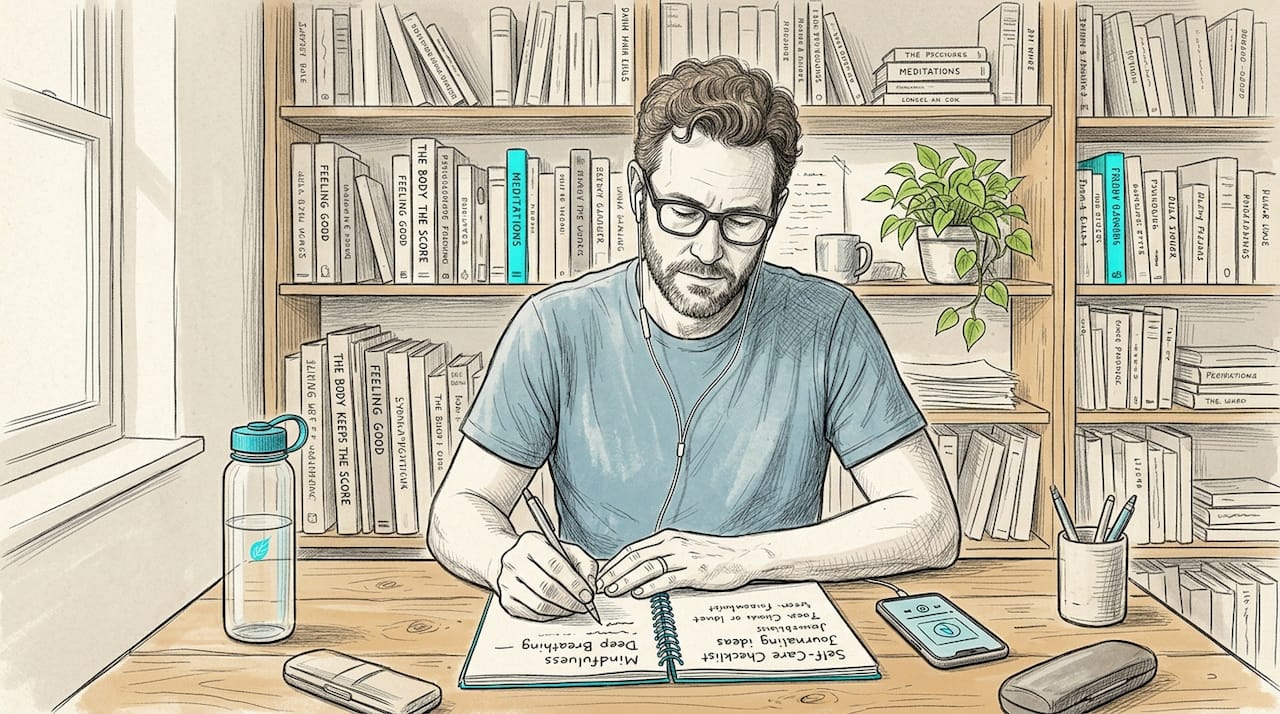
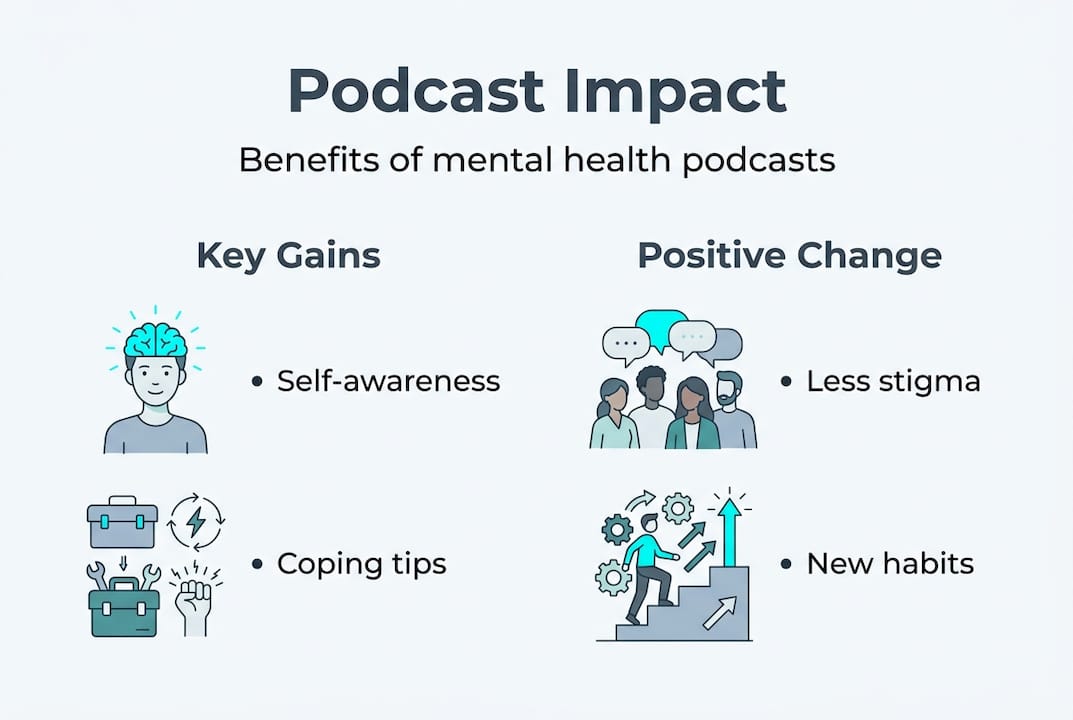
Studies show that regular podcast listeners demonstrate improved mental health literacy, meaning they understand symptoms, recognize patterns, and feel more confident discussing emotional challenges. Podcasts also destigmatize mental health by normalizing conversations that once felt taboo. When a respected host talks openly about anxiety or burnout, it gives listeners permission to do the same.
Here’s a look at how different episode types influence listener behavior:
| Episode type | Listeners reporting change | Primary impact |
|---|---|---|
| Expert interview | ~68% | Increased awareness and literacy |
| Personal story | ~74% | Reduced stigma, emotional validation |
| Evidence-based Q&A | ~61% | Actionable self-care behavior |
| Guided reflection | ~70% | Improved self-awareness and coping |
Those numbers are striking. Nearly three in four listeners who engage with personal story episodes report a meaningful shift in how they view mental health challenges. That’s the kind of podcast mental health impact that goes well beyond entertainment.
The data on podcasts and stigma consistently shows that regular listeners are more likely to seek help early, talk to friends about mental health, and adopt sustainable self-care habits.
Here’s what listeners commonly gain from consistent podcast engagement:
- Self-reflection: Episodes prompt honest internal check-ins
- Early symptom recognition: Hearing others describe experiences helps you spot your own patterns
- Actionable self-care routines: Hosts often share specific, repeatable practices
- Community support: Listener groups and social communities extend the conversation
With that context, here’s how you can put this knowledge into practice for your own mental wellness journey.
How to make the most of mental health podcasts
Knowing a great podcast exists and actually benefiting from it are two different things. Here’s how to close that gap.
- Evaluate before you commit. Check the host’s credentials, read a few listener reviews, and scan episode descriptions for research references before adding a show to your regular rotation.
- Start with a specific topic. Anxiety, grief, relationships, burnout. Pick one area you want to understand better and find shows that specialize in it.
- Listen actively, not passively. Treat key episodes like a class. Pause when something resonates. Replay sections that feel important.
- Take notes right after listening. Even three bullet points from an episode can anchor the insight and make it actionable.
- Set a weekly listening intention. Decide what you want to learn or reflect on before you press play.
Expert-driven podcasts can genuinely boost actionable self-care for busy listeners, but only if you create the conditions to absorb and apply what you hear.
Pro Tip: After a particularly impactful episode, give yourself ten minutes of quiet before jumping to the next thing. That reflection window is where the real integration happens.
Building accountability also makes a big difference. Here are a few ways to stay consistent:
- Start a small discussion group with friends or coworkers who listen to the same show
- Share episode highlights on social media or in a group chat to reinforce what you learned
- Keep a dedicated episode journal where you log one takeaway per listen
- Link insights to your existing routines, like pairing a morning walk with a reflective episode
Developing healthy podcast habits around mental wellness content turns occasional listening into a genuine support system.
With practical strategies in hand, it’s important to take an honest look at the true role of podcasts in a larger mental health journey.
Our take: Where podcasts fit (and don’t fit) in mental wellness
Here’s something we think gets glossed over in most podcast roundups: listening to great mental health content is not the same as getting mental health care. And conflating the two can actually slow people down.
Podcasts are genuinely powerful. They normalize hard conversations, reduce stigma, and give you frameworks you can use today. We’ve seen firsthand how the right episode at the right moment can shift someone’s perspective in a real way. The wellness podcast picks we follow are full of that kind of content.
But here’s the honest part: podcasts work best as a companion, not a replacement. They’re the thing that helps you recognize a pattern, not the thing that helps you change it at a clinical level.
Podcasts spark curiosity and reduce barriers, but they should complement professional support, not substitute for it. The best use of a great episode is letting it motivate you to take the next real step.
Treat podcasts as your ongoing, low-pressure entry point into mental wellness. Let them be the nudge. Let the professionals do the deeper work when you need it.
Discover mental health moments and featured creators
If you’ve been nodding along and thinking, “I just want someone to surface the good stuff for me,” that’s exactly what Prodcast is built for.

Prodcast uses AI to analyze podcast transcripts and pull out the moments that matter most, including expert insights, product mentions, and standout conversations in mental health content. You can discover podcast moments curated from top shows, or explore highlights like the Publicly Shamed highlights that dig into the emotional and social dimensions of mental wellness. Whether you’re looking for a new show or a specific insight, more curated podcasts are always one click away. Stop scrubbing through hours of audio. Let Prodcast bring the best mental health moments straight to you.
Frequently asked questions
How can I tell if a mental health podcast is credible?
Check for expert hosts, evidence-based advice, and references to research in each episode. Expert-driven podcasts with credentialed guests and cited studies are your most reliable signal of quality.
Are there risks to relying only on podcasts for mental health support?
Yes, podcasts can support learning and motivation but should not replace personalized clinical care. Podcasts are effective but are not substitutes for formal interventions when real support is needed.
Which formats make mental health podcasts most helpful?
Interviews with professionals, evidence-based Q&A, and real-life stories are consistently impactful formats. Interviews and stories drive listener engagement and make complex topics easier to absorb.
How can I apply what I learn from mental health podcasts?
Take notes, set actionable goals, and discuss insights with friends or support groups to reinforce new habits. Actionable advice from podcasts works best when it’s tied to a specific routine or intention you already have in place.
Recommended
- 7 Data-Driven Podcast Healthy Habits for Smarter Listening | Prodcast
- 7 Insights You Can Gain From Top Health and Fitness Podcasts | Prodcast
- Master podcast listening for beginners in 2026 | Prodcast
- 7 Best Podcasts for Health and Wellness You Need to Liste… | Prodcast
- Mental health self-care ideas for anxiety and depression - Revive Health Therapy